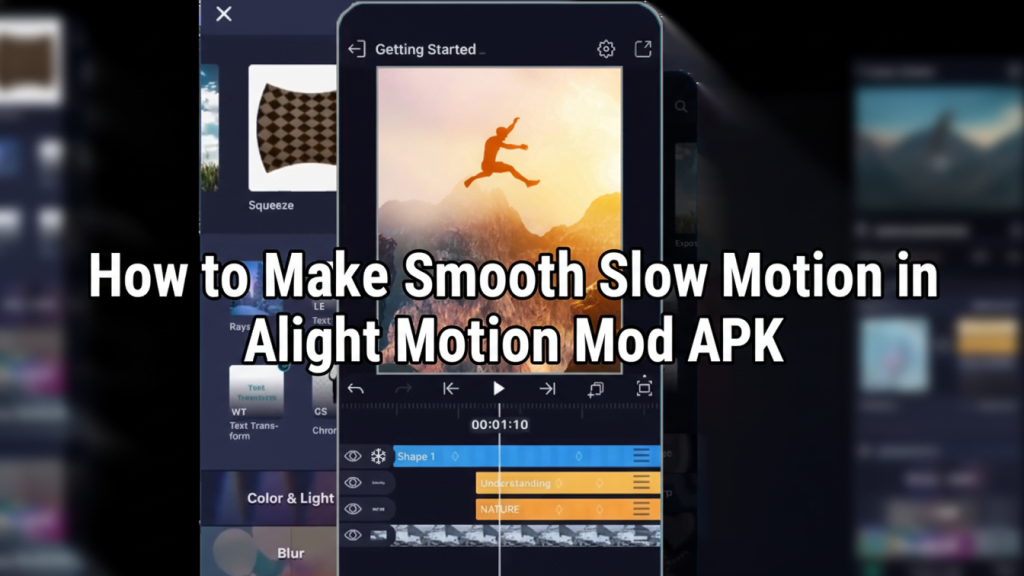
How to Make Smooth Slow Motion in Alight Motion Mod APK
Slow-motion effects are one of the most powerful tools in mobile editing, especially for anime edits, reels, AMVs, and dramatic scene highlights. Whether you’re creating an emotional moment or adding emphasis to a high-impact transition, smooth slow motion instantly makes your visuals look cleaner and more cinematic. But beginners often struggle with choppy playback, ghosting, or stuttered motion when slowing clips down. That’s exactly why learning how to create clean, seamless Alight Motion slow-motion is essential for any editor in 2026.
The MOD APK version of Alight Motion gives you more flexibility, unlocked tools, and better control over key effects like velocity, motion blur, and frame blending. With the right technique, even low-FPS clips can be turned into fluid, professional-quality slow motion. This guide breaks down everything step-by-step from preparing your footage to adjusting speed graphs, blending frames, and boosting FPS. By the end, you’ll be able to transform any clip into a Smooth Slow Motion, polished slow-motion sequence that stands out on TikTok, Instagram, and YouTube Shorts.
What You Need Before Creating Smooth Slow Motion
Before you begin creating Smooth Slow Motion effects, you need to prepare a few essential elements to ensure your results look clean and professional. Start with the latest MOD APK version of Alight Motion, which unlocks premium features, removes watermarks, and provides better control over tools like motion blur and speed curves. This gives you far more freedom to experiment without limitations. Next, choose high-quality clips. Slow motion looks best when the original footage is shot at 24, 30, or 60 FPS.
The higher the frame rate, the cleaner your slow motion will appear, because the app has more frames to work with during interpolation. Good audio is equally important many editors sync slow-motion moments with beat drops, emotional points, or transitions, so having your soundtrack ready helps you structure the timing of your edit. Lastly, gather optional elements like overlays, particles, and color grading presets. These extra tools help polish your final result and add style, especially when crafting smooth, cinematic sequences.
How to Set Up Your Project for Clean Slow Motion
Setting up your workspace correctly is one of the most important steps in creating clean and professional Alight Motion Smooth Slow Motion edits. Begin by opening a new project and choosing the appropriate aspect ratio based on where you plan to upload your edit. For TikTok and Reels, 9:16 is ideal, while 1:1 or 4:5 works well for Instagram feed posts. Picking the right ratio early prevents unwanted cropping or resizing later. Next, adjust your frame rate. If your original clip was recorded at 30 FPS, keep your project at the same frame rate to maintain smoothness.
Editors planning heavy slow motion or velocity effects may choose 60 FPS to add extra clarity and reduce stutter during fast movements. Once your FPS is set, import your clips and audio into the timeline. To make editing easier, turn on high-quality preview settings if your device can handle it. This will let you see motion blur, color effects, and frame blending more accurately as you work. Clean setup reduces lag, improves precision, and ensures your slow-motion edits flow smoothly from the very beginning.
Basic Method: Using Speed Adjustment
The simplest way to create smooth alight motion slow-motion is by using the built-in speed adjustment tool. This method is perfect for beginners and works well when your clip has a decent frame rate. Start by selecting your clip in the timeline, then open the Speed settings. Lowering the speed to 0.5x or 0.3x usually creates clean slow motion, while anything under 0.2x may require extra smoothing to avoid choppiness. To keep your slow motion aligned with the music or scene energy, pay close attention to timing control.
Place keyframes at important beats or emotional points in the audio, then adjust your speed so the motion flows naturally into those moments. This prevents your slow motion from feeling random or disconnected from the rhythm. For softer, emotional scenes, slower speeds with slight easing work beautifully. For action clips, a balanced speed reduction with motion blur creates impactful highlights. Mastering the basic speed tool lays the foundation for more advanced methods like velocity edits, which we’ll cover next.
Advanced Method: Velocity Slowmo for Ultra-Smooth Motion
If you want your edits to look truly professional, learning velocity slowmo is essential. This technique allows you to control speed changes with precision, creating buttery-smooth slow motion that blends perfectly with music beats and transitions. It’s one of the most powerful ways to elevate your Alight Motion slow motion beyond the basic speed tool. Start by cutting your clip at key beat points where you want speed changes. Each segment can then be individually adjusted using the speed graph.
Drag the graph downward to create slow-motion dips, and curve it upward for quicker acceleration. This creates the signature “speed ramp” effect often seen in high-quality edits. The key is to avoid harsh, sudden changes. Smooth, curved transitions between slow and fast segments make your motion feel natural and fluid. For dramatic moments, use deeper velocity dips; for energetic edits, keep the ramps tighter and snappier. When done correctly, velocity editing eliminates choppiness and gives your slow motion a polished, cinematic feel.
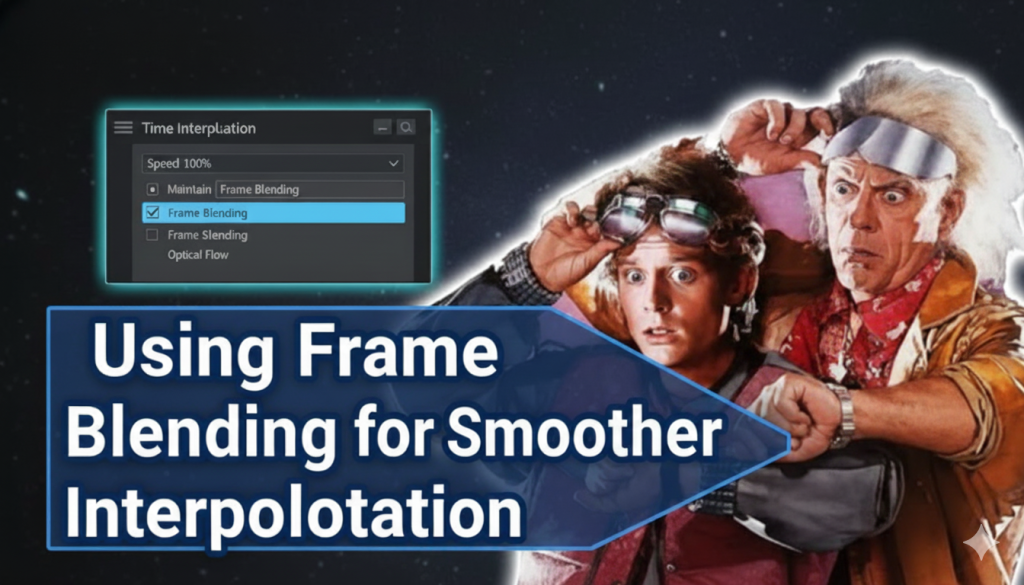
Using Frame Blending for Smoother Interpolation
When slowing down clips, one of the biggest challenges is avoiding choppy or broken motion. This is where frame blending becomes one of the most useful tools in creating smooth alight motion slow-motion effects. Frame blending works by generating soft transitional frames between existing ones, making the motion appear fluid even when you drastically reduce the playback speed. To apply it, select your clip and enable the blending option in the settings.
The app then smooths out the gaps between frames, especially helpful for clips originally recorded at lower FPS. This technique is essential when slowing anime scenes, fight sequences, or emotional shots that rely heavily on fluid motion. Keep in mind that frame blending should be used carefully. Overusing it may cause ghosting, where faint duplicate frames appear on top of each other. The best approach is to apply blending only after you finalize your timing and speed adjustments. When used correctly, it produces soft, natural, slow motion that feels much closer to real-time cinematic movement.
Motion Blur + Easing: The Secret to Professional Slow Motion
Even with perfect timing and clean interpolation, your Alight motion slow motion will look incomplete without the right finishing touches. Motion blur and easing curves are two of the most important tools for achieving true cinematic smoothness. Motion blur softens the visual movement between frames, reducing harsh edges and creating that fluid, natural-looking glide seen in high-quality edits. Start by enabling motion blur on your clip and adjusting the strength based on the type of scene.
Fast movement clips typically need stronger blur, while softer emotional scenes require only a subtle touch. Pairing blur with easing curves takes your results even further. Easing controls how movement begins and ends, making transitions feel more organic instead of robotic. As part of this smooth edit tutorial, remember to apply easing to scaling, rotation, and position changes. A gentle ease-in followed by a clean ease-out helps every slow-motion moment feel intentional and polished. When you combine blur, easing, and proper timing, your edit transforms from simple slow motion into a professional, stylistic effect.
Conclusion
Mastering Smooth Slow Motion Alight is one of the quickest ways to make your edits look more cinematic, emotional, and polished. With the techniques covered in this guide—speed adjustment, velocity ramps, frame blending, motion blur, easing curves, and FPS optimization you now have every tool needed to transform simple clips into professional-level slow-motion sequences. Remember, smooth slow motion is all about timing and precision, so the more you practice, the cleaner your edits will become.
Keep experimenting, refining, and challenging your creativity, and your slow-motion skills will continue to improve with every project. As your skills grow, your edits will start to stand out on TikTok, Instagram, YouTube, and anywhere else you share your work. Keep experimenting, keep practicing, and keep refining your approach. Smooth slow motion is a technique that rewards consistency and creativity.